Tympanic Membrane Perforation Closure Without Incisions or General Anesthesia
Traditionally, perforations of the tympanic membrane could only be repaired with a surgical approach. In a recent study to be published soon in Otology & Neurotology, Dr. Hamid Djalilian and his team have found that office procedures are very successful at closing tympanic membrane perforations without the need for incisions or general anesthesia. Dr. Djalilian’s team studied 204 ears (169 patients) with chronic (>6 months) tympanic membrane perforation that were less than 50% in size. The perforations were treated in the office with a paper patch technique using trichloracetic acid and instrumentation of the perforation edges. The study showed complete closure in 122 patients (59.8%), partial closure in 26 patients (12.7%), and no improvement in 56 patients (27.5%) after the first attempt. An additional 8 patients achieved a complete closure after a second paper patch was applied. This brought the total full closure rate to 63.7%.
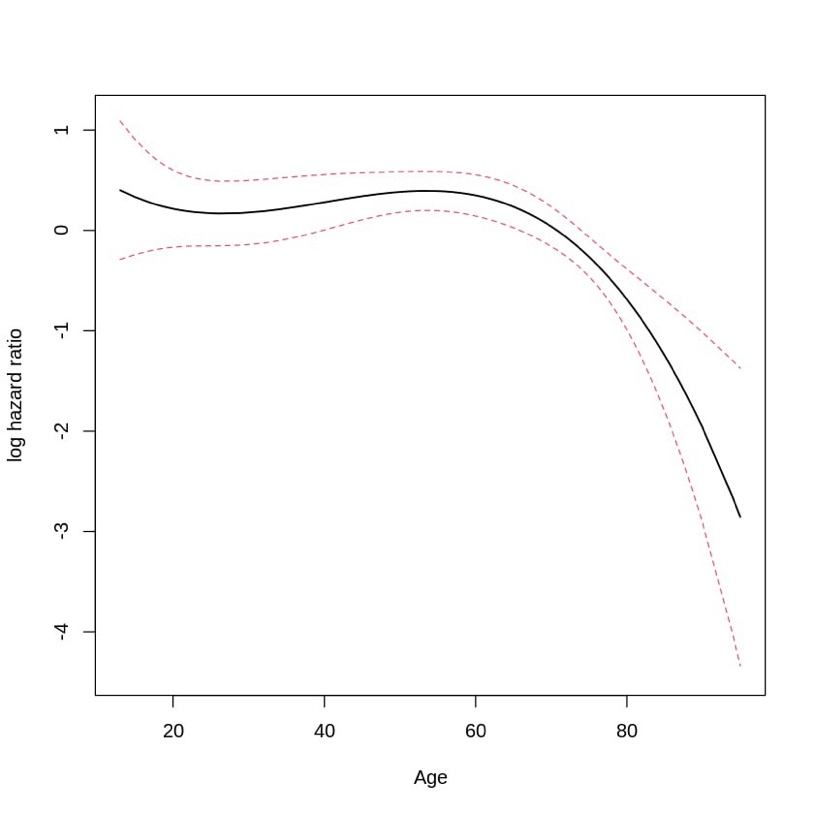
Dr. Djalilian’s team found that even patients with a history of middle ear inflammation and drainage could be pre-treated with antibiotics prior to the office procedure with success in closure. The study showed that all tympanic membrane perforations do not require surgical treatment and a majority of perforations under 50% in size can be closed with one or more office procedures. Factors associated with better closure rates included smaller perforation, superior or anterior location, and younger age. Patients over age 60 had a reduced perforation closure rate with each one-year increase in age linked to an approximate 1.4% decrease in the hazard of improvement. Using a minimally invasive office-based approach, 63.7% of patients with perforations less than 50% achieved full closure using the paper patch technique. The 36.3% of the patients underwent other office-based procedures with additional success rates which will be reported in future studies.
Dr. Djalilian’s team found that even patients with a history of middle ear inflammation and drainage could be pre-treated with antibiotics prior to the office procedure with success in closure. The study showed that all tympanic membrane perforations do not require surgical treatment and a majority of perforations under 50% in size can be closed with one or more office procedures. Factors associated with better closure rates included smaller perforation, superior or anterior location, and younger age. Patients over age 60 had a reduced perforation closure rate with each one-year increase in age linked to an approximate 1.4% decrease in the hazard of improvement. Using a minimally invasive office-based approach, 63.7% of patients with perforations less than 50% achieved full closure using the paper patch technique. The 36.3% of the patients underwent other office-based procedures with additional success rates which will be reported in future studies.
Figure. Non-linear effect of age on TM healing after paper patch. Spline plot showing a non-linear decline in TM healing probability with increasing age, especially after age 60. The black line represents the log hazard ratio; red dashed lines indicate 95% confidence intervals.